
Ever find yourself scrolling through your iPhone and wondering why you still have that fitness app you haven’t opened since last summer? It’s time to declutter and make room for the apps that actually spark joy. Removing unwanted apps not only frees up storage but also clears your mind—like cleaning out that junk drawer you keep avoiding.
Understanding App Removal on iPhone
Managing apps on an iPhone enhances user experience significantly. Effective app management allows for better organization of digital space and optimizes device performance.
Importance of Managing Apps
Managing apps prevents clutter and enhances productivity. An organized app layout facilitates easier access. Streamlining apps helps maintain focus while using the device. Regular removal of unused apps maximizes available storage, contributing to device efficiency. Engaging with only relevant apps reduces distractions and promotes a more enjoyable user experience.
Common Reasons for Removing Apps
Common reasons for app removal include lack of use. Users often download apps that lose their relevance over time. Performance issues can also prompt app deletion, as sluggish apps frustrate users. Storage constraints frequently motivate individuals to free up space. Safety concerns, such as privacy violations, lead to removing certain apps. Lastly, a desire for a simpler interface encourages many to eliminate unnecessary applications.
Methods for Removing Apps
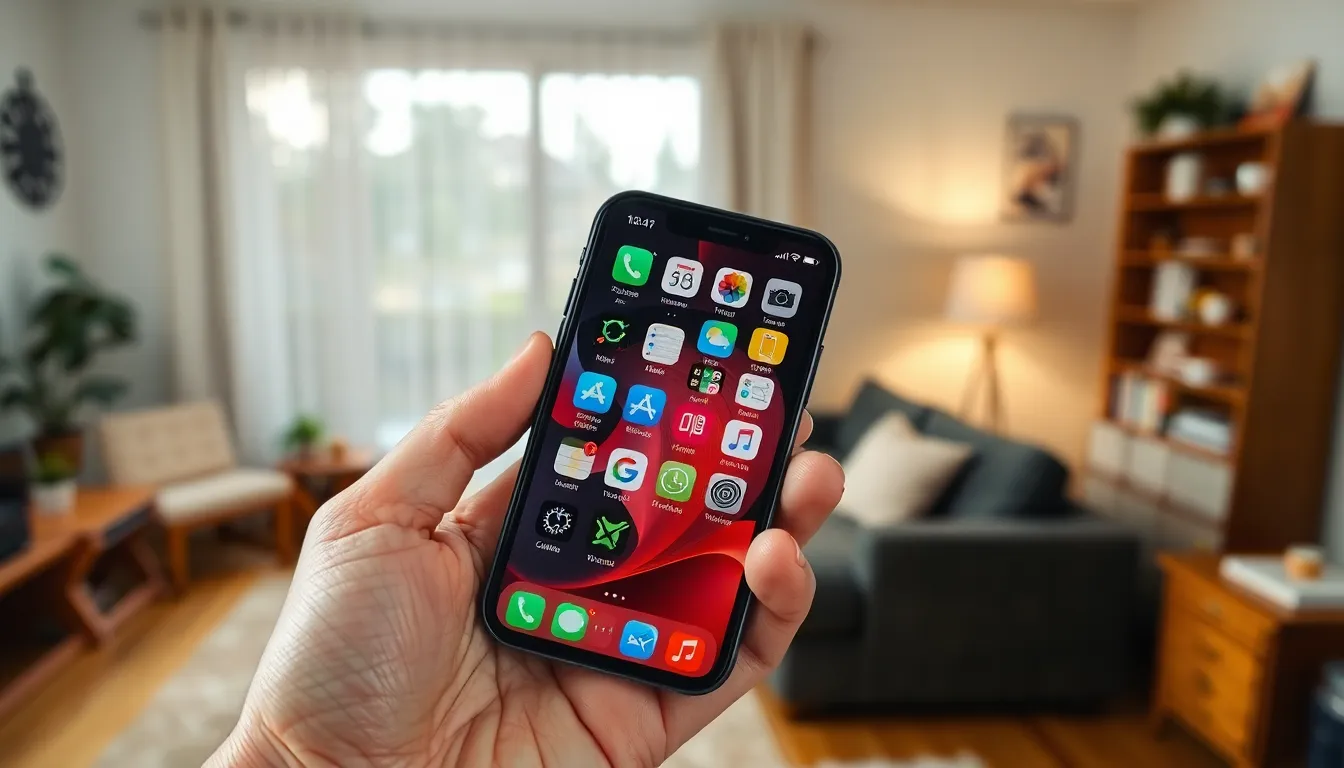
Removing apps from an iPhone can streamline the device and optimize user experience. Multiple methods exist for deleting applications, ensuring flexibility and convenience.
Deleting Apps from the Home Screen
Tapping and holding an app icon starts the deletion process. Once the icons begin to shake, a small “X” appears on the upper corner. Selecting this “X” prompts confirmation for removal. Users can tap “Delete” to confirm or “Cancel” to abort the process. This method is quick and intuitive, allowing easy access to app management from the home screen.
Using the App Library
Navigating to the App Library provides an alternative for app removal. Swiping left on the home screen reveals this feature. After finding the app, a long press on the icon opens a menu. Choosing “Delete App” from this menu initiates the uninstallation. This approach helps users manage their apps by providing a complete overview of all installed applications.
Uninstalling Apps via Settings
Accessing the Settings app opens another path for deleting applications. Users should scroll down and select “General,” followed by “iPhone Storage.” This section lists all installed apps, along with storage usage. Tapping on an app reveals the option to “Delete App.” Confirming this selection completes the uninstall process, ensuring thorough app management from the settings menu.
Tips for Efficient App Management
Effective app management enhances the performance of an iPhone and simplifies user experience. Identifying unused apps and leveraging built-in features streamline this process.
Identifying Unused Apps
Reviewing the home screen allows users to spot apps that haven’t been opened in days or months. Checking app usage statistics helps determine which apps are rare or seldom used. Analyzing the App Library provides additional context, displaying all installed apps in an organized manner. Users can also evaluate their habits and remove distractions by considering how often each app is engaged. Prioritizing which apps are truly useful contributes to optimal device organization and frees up valuable storage space. Regular reassessment ensures homescreens reflect current needs.
Utilizing Offload Unused Apps Feature
Utilizing the Offload Unused Apps feature serves as an effective strategy for storage management. Accessing this option in the iPhone Settings is straightforward. Once in Settings, navigate to General, select iPhone Storage, and choose Offload Unused Apps. This feature automatically removes apps not actively used, while retaining their data for future use. The moment you choose to reinstall an offloaded app, all previous data is preserved. Enabling this option ensures routine removal of rarely used apps without sacrificing important information. Automated management enhances efficiency and maintains a clutter-free environment.
Troubleshooting Removal Issues
Sometimes users encounter challenges when trying to delete apps on their iPhones. Understanding common issues and solutions can help resolve these problems effectively.
What to Do If an App Won’t Delete
An app may refuse to delete due to restrictions or it being a system app. Checking for restrictions is essential. Go to Settings, then Screen Time, and select Content & Privacy Restrictions. If restrictions are active, disabling them might allow app deletion. Additionally, restarting the iPhone can resolve temporary glitches. Hold down the power and volume buttons to power off, then turn it back on. If the app continues to resist deletion, uninstalling from iTunes or resetting settings could be the next steps. Accessing the app from the App Store can offer alternative ways to manage it, ensuring that users regain control over their devices.
Managing System Apps
System apps, such as Contacts and Safari, often come pre-installed and can’t be deleted. These apps serve essential functions for a seamless user experience. Users can, however, restrict their use or hide them from the home screen for a cleaner layout. To hide a system app, press and hold the app icon, select “Remove App,” and opt for “Remove from Home Screen.” Deleting using the “Offload Unused Apps” feature reduces their presence without removal. Keeping those apps updated ensures they function effectively while minimizing storage impact. Understanding this management strategy helps prioritize essential apps during the decluttering process.
Removing apps from an iPhone can significantly enhance user experience and device performance. By decluttering the home screen and optimizing storage, users can create a more organized and efficient digital environment. Regularly assessing app usage not only frees up space but also minimizes distractions and promotes productivity.
Utilizing features like “Offload Unused Apps” simplifies the management process, ensuring that only the most relevant applications remain accessible. Embracing these strategies leads to a more enjoyable and streamlined interaction with technology, allowing users to focus on what truly matters.